
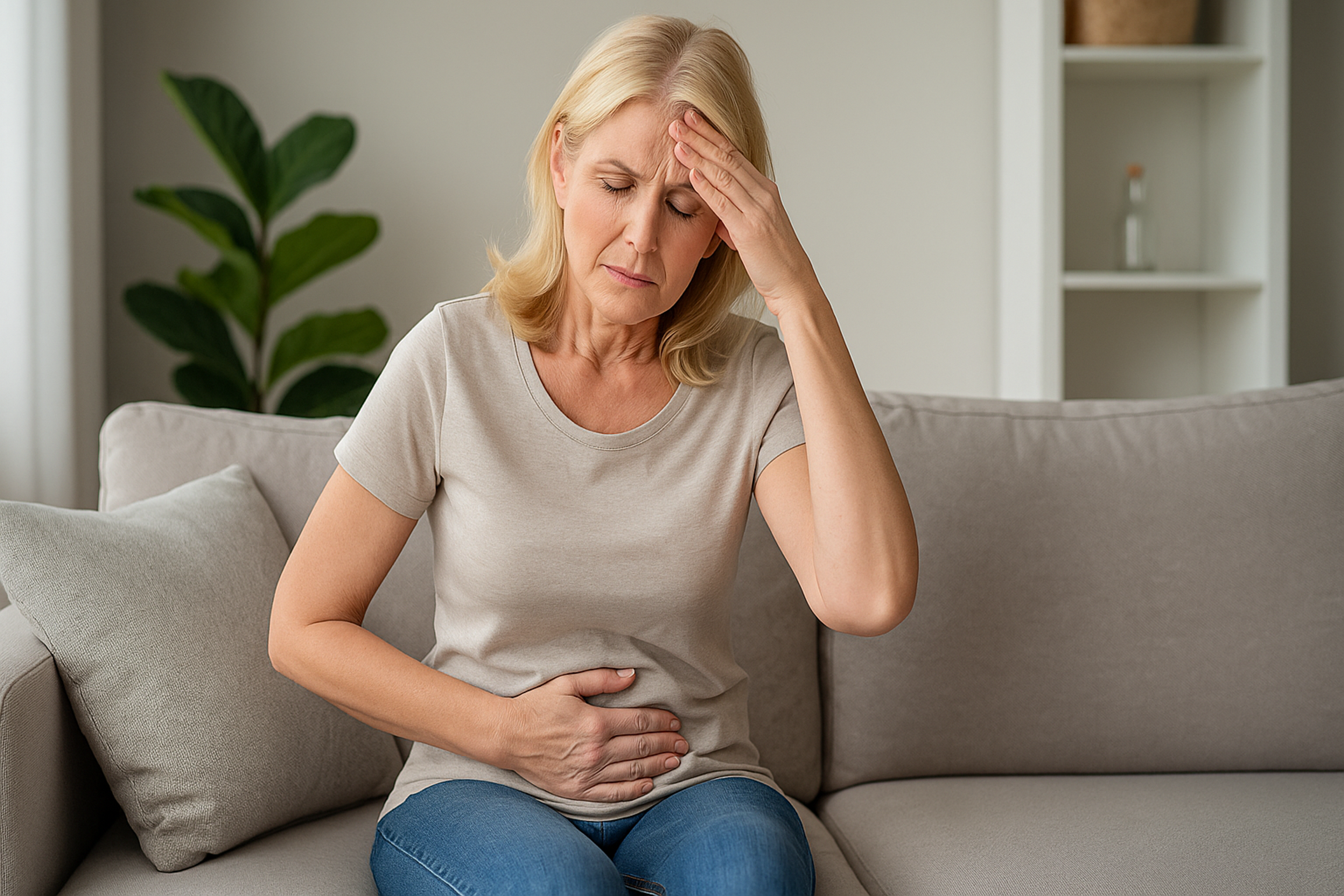
Most people expect their digestive system to return to normal after recovering from a gut infection. But for some, the symptoms don’t completely disappear. Instead, they evolve into a long-lasting pattern of abdominal discomfort, bloating, urgency, or altered bowel habits.
This condition is known as Post-Infectious Irritable Bowel Syndrome (PI-IBS).
PI-IBS is a well-recognised subtype of IBS that develops after a gastrointestinal infection, such as food poisoning, viral gastroenteritis, or bacterial gastroenteritis. Even once the infection has resolved, the gut may take months — and sometimes longer — to regain its full function.
What Causes PI-IBS?
1. Altered gut microbiome
The infection can disrupt the balance of bacteria living in the gut.
This shift may affect digestion, immune regulation, and gut sensitivity.
2. Low-grade inflammation
Even after the acute illness settles, the gut lining may remain mildly inflamed.
This can lead to increased sensitivity to normal digestive movements — often felt as bloating, pain or cramping.
3. Increased intestinal permeability
Commonly called “leaky gut,” this temporary change may allow particles to interact with the immune system more readily, contributing to lingering symptoms.
4. Changes in gut motility
Food may move too quickly or too slowly through the digestive tract.
This can result in diarrhoea, constipation, or a mixture of both.
5. Heightened gut–brain interaction
After infection, the nerves controlling the digestive system may become more reactive, amplifying normal sensations.
Common Symptoms of PI-IBS
Symptoms can vary but frequently include:
- Recurring abdominal pain or discomfort
- Bloating or increased gas
- Urgency to open bowels
- Loose stools or diarrhoea
- Constipation, or alternating constipation and diarrhoea
- A feeling of incomplete emptying
Diagnosis: When to See a Gastroenterologist
PI-IBS is diagnosed based on:
- A clear history of a recent gut infection
- Persistent IBS-type symptoms after recovery
- Exclusion of other conditions
Your gastroenterologist may order stool tests, blood tests, or imaging depending on your history.
Seek medical review if you have red-flag symptoms such as unintentional weight loss, bleeding, persistent fever, or night-time symptoms.
Living with PI-IBS
Although PI-IBS can be challenging, it is a real and recognised condition, and many people recover over time with the right support. Early assessment and a personalised management plan can significantly reduce symptoms and restore quality of life.
If you suspect you have PI-IBS, consult with a gastroenterologist for an accurate diagnosis and a treatment plan tailored to your digestive system’s recovery.
We provide personalised care and support for PI-IBS.