
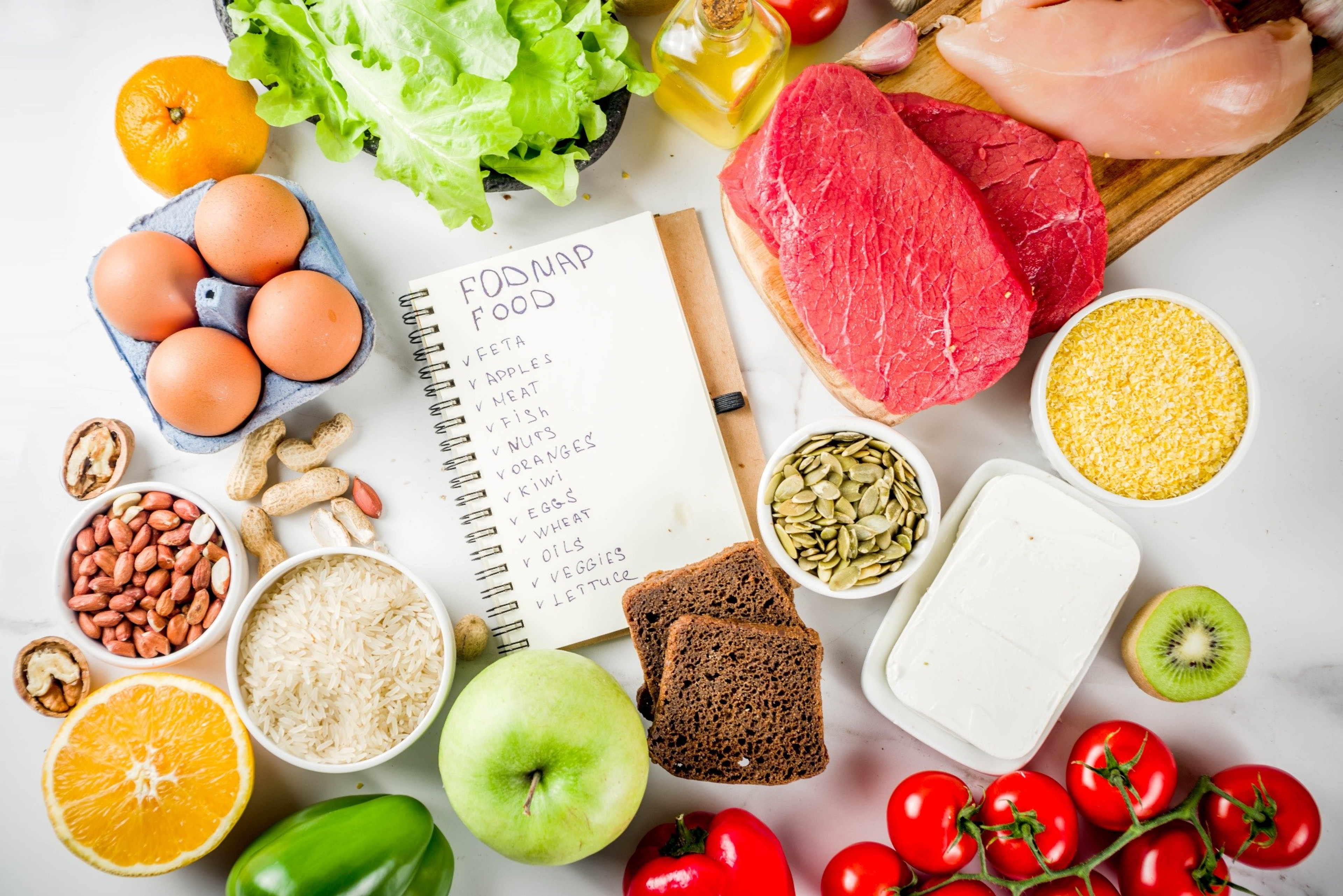
Irritable Bowel Syndrome (IBS) can cause chronic abdominal pain, bloating, gas, and changes in bowel habits. For many patients, diet plays a major role in symptom flare-ups. One of the most researched and effective dietary approaches for IBS is the Low FODMAP Diet.
What Is the Low FODMAP Diet?
FODMAPs are a group of short-chain carbohydrates found in many everyday foods. They can be poorly absorbed in the small intestine, where they draw in water and ferment in the colon—often leading to IBS symptoms.
FODMAP stands for:
Fermentable
Oligosaccharides
Disaccharides
Monosaccharides
Polyols
These include foods containing certain fibres, lactose, excess fructose, and sugar alcohols.
How the Diet Works:
The Low FODMAP Diet is not a long-term diet. It happens in three structured phases:
1. Elimination (2–6 weeks)
You temporarily reduce high-FODMAP foods to calm the gut and reduce symptoms.
2. Reintroduction (6–8 weeks)
You reintroduce FODMAP groups one at a time to identify personal triggers.
3. Personalisation
You return to the widest and most enjoyable diet possible—minimising only the FODMAPs that cause symptoms for you.
This step ensures nutritional balance and long-term sustainability.
Benefits of the Low FODMAP Diet
Research demonstrates that:
60–80% of IBS patients experience significant symptom relief
- Bloating and abdominal pain often improve within 2–3 weeks
- Patients regain confidence in food choices and symptom control
Examples of Foods*
High-FODMAP (Often Triggering)
- Wheat products
- Onions and garlic
- Apples, pears, watermelon
- Beans, lentils
- Milk, ice cream
- Foods containing sorbitol or mannitol
Who Should Consider the Low FODMAP Diet?
The Low FODMAP Diet may help if you have:
- IBS-C, IBS-D, or IBS-M
- Chronic bloating or gas
- Unexplained abdominal discomfort
- Food-related symptom triggers
**Important:** The diet should be supervised by a gastroenterologist or a registered dietitian trained in FODMAP therapy to avoid nutritional deficiencies and unnecessary restrictions.
When to Seek Professional Guidance:
You should meet with a specialist if you:
- Are unsure which foods trigger symptoms
- Have unintentional weight loss
- Have persistent symptoms despite dietary changes
- Need help developing a safe, balanced meal plan
We provide personalised guidance, structured reintroduction plans, and support throughout your IBS management.